Company Immigration Services: Experienced Immigration Support|Providing Immigration Support for Companies|Certified Immigration Specialists|Corporate Immigration Solutions for Multinational Companies|How to Choose Corporate Visa Services
Grasping Corporate Immigration: A Comprehensive Guide for Organizations
Modern business operations rely heavily on corporate immigration as a critical component. Organizations can utilize global talent pools and sustain their competitive edge in different markets through this approach. Yet, managing the complicated aspects of visa types and adherence to regulations can prove difficult. Grasping these factors is crucial for businesses aiming to draw and maintain elite talent. The sections ahead will describe critical approaches and considerations that can profoundly shape a business's immigration framework.
The Significance of Corporate Immigration in Today's Market
With the rise of global business operations, the relevance of corporate immigration has become more pronounced. Companies regularly seek to attract the top talent from around the world to copyright competitiveness and drive innovation. Corporate immigration allows organizations to tap into diverse skill sets, fostering ingenuity and problem-solving capabilities that are vital in today's dynamic market. In addition, maneuvering through the complexities of international labor laws and visa regulations can promote smoother transitions for employees relocating abroad. This process not only improves workforce diversity but also solidifies a company's global presence. As industries progress, the ability to mobilize talent swiftly and efficiently becomes critical. Corporate immigration consequently serves as a strategic tool, allowing businesses to adapt to market demands while ensuring compliance with legal frameworks. In this landscape, understanding the importance of corporate immigration is essential for businesses aiming for sustainable growth and long-term success in the international arena.
Key Immigration Types and Visa Alternatives
Steering the realm of corporate immigration calls for a thorough understanding of key immigration categories and visa options available to businesses. Employers typically consider multiple visa types to support the hiring of foreign talent. The H-1B visa is one of the most recognized options, allowing companies to hire foreign workers in specialty occupations. Correspondingly, the L-1 visa enables intra-company transfers, permitting multinational corporations to relocate employees between offices. For executives and managers, the L-1A visa serves as an ideal solution, while the L-1B visa addresses employees with specialized knowledge. Additionally, the O-1 visa is created for individuals with extraordinary ability in their fields. For temporary assignments, the B-1 visa delivers a short-term solution for business visitors. Understanding these categories helps organizations efficiently navigate the challenges of corporate immigration, guaranteeing compliance and enhancing workforce potential.
Managing the Application Procedure
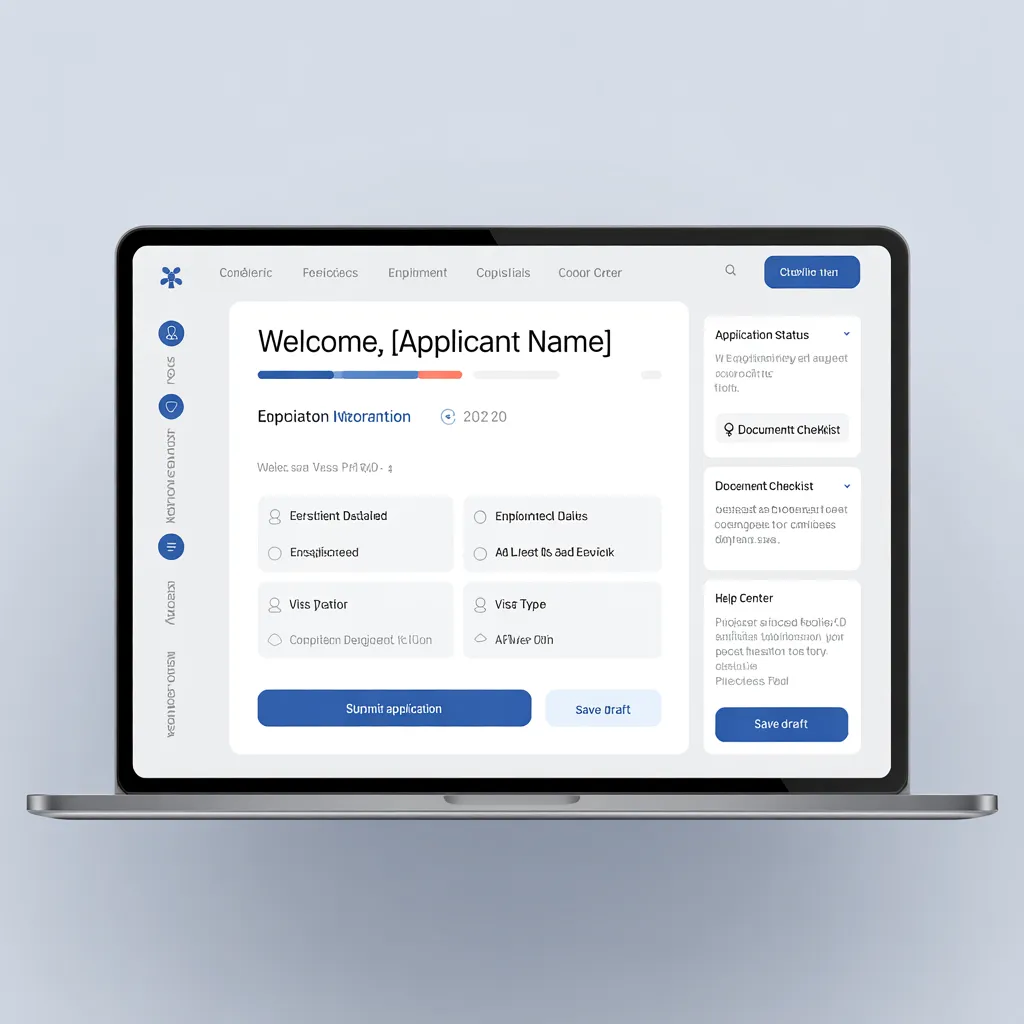
Grasping the different visa options is only the initial step in the corporate immigration journey. Once the correct visa category is identified, businesses must compile and submit a thorough application. This entails collecting required documentation, which often requires proof of employment, educational qualifications, and adherence with designated regulatory stipulations.
Employers need to ensure all forms are completed accurately, as errors can cause delays or denials. It is important to maintain open lines of communication with the employees involved, offering them guidance on essential documents and timelines.
In addition, organizations must be aware of any fees related to the application process, which can vary depending on the visa category. Collaborating with immigration attorneys or consultants can streamline this process, ensuring that all legal requirements are met. By properly handling the application process, organizations can increase their chances of securing the essential visas for their global workforce.
Primary Challenges Confronting Businesses
Companies frequently face substantial challenges in the area of corporate immigration, mainly as a result of complicated immigration laws that can fluctuate considerably by region. These complicated laws complicate talent acquisition, making it problematic for organizations to obtain the skilled workers they need. As a result, organizations must manage both legal frameworks and workforce shortages simultaneously.
Intricate Immigration Regulations
Navigating the maze of complex immigration rules creates considerable difficulties for many organizations. Businesses frequently grapple with a myriad of laws and policies that vary not only by country but also by state or region. The nuances of visa categories, eligibility criteria, and application protocols can create confusion, resulting in potential compliance problems. Additionally, frequent changes in immigration laws demand organizations to keep informed and adaptable, which can tax resources. Misconceptions about regulatory obligations can result in delays, increased costs, and even penalties. Consequently, many companies discover themselves investing substantial time and effort to navigate this challenging landscape, highlighting the necessity for comprehensive immigration strategies and expert guidance to secure compliance and operational efficiency.
Talent Recruitment Challenges
Managing complex immigration laws often hinders the talent acquisition process for businesses. Companies face obstacles in identifying qualified candidates who possess the necessary skills while at the same time meeting visa requirements. The lengthy application processes and potential delays can dissuade top talent from pursuing opportunities, resulting in increased competition among employers. Furthermore, the ever-changing nature of immigration policies makes it challenging for companies to remain current and compliant, further complicating recruitment efforts. Companies may also face difficulties in sponsoring international employees, as the associated costs and resource allocation can tax operational budgets. In the end, these barriers can impede effective talent acquisition, forcing companies to reevaluate their strategies in attracting and retaining skilled personnel in a global market.
Strategies for Proven Talent Acquisition
Successful talent acquisition requires effective strategies that tap into global talent networks and streamline visa processes. Companies that leverage these resources can attract and retain top candidates from diverse backgrounds. By enhancing these approaches, organizations can enhance their competitive edge in the global market.
Utilizing Worldwide Professional Networks
As businesses continually aim to extend their influence and foster innovation, harnessing international talent ecosystems has proven vital for successful recruitment strategies. By accessing varied talent communities, businesses can gain specialized competencies and insights that propel progressive development. Utilizing platforms such as LinkedIn, global employment portals, and industry-specific forums empowers companies to reach potential candidates worldwide. Moreover, establishing alliances with academic institutions and industry associations can enhance recruitment efforts. Companies should also consider creating a compelling workplace image that engages across borders, attracting top talent. By adopting these tactics, companies can maneuver through the demanding business arena and develop personnel equipped to address shifting industry needs, ultimately enhancing their operational success and global presence.
Simplifying Entry Visa Processes
Navigating the challenges of global talent acquisition calls for not only access to wide-ranging skill sets but also an effective framework for securing the required work visas. Companies can streamline visa processes by utilizing best practices that include proactive engagement with immigration counsel, understanding distinct visa requirements, and maintaining systematic documentation. Setting up a dedicated immigration team can improve communication between HR, legal, and potential candidates, ensuring everyone is notified throughout the process. Using technology, such as tracking systems copyright, can improve efficiency and provide real-time updates. In addition, building relationships with local professional guide consulates and immigration authorities can expedite approvals. By employing these strategies, businesses can maximize their talent acquisition efforts and minimize delays linked to visa processing.
Upholding Adherence and Recommended Practices
While maneuvering through the complexities of corporate immigration, businesses must prioritize compliance and utilize best practices to minimize risks. Developing a detailed immigration strategy is essential, including regular audits of employee visa statuses and documentation. Companies should remain updated on immigration laws and policies, as these can change frequently.
Educating employees about compliance requirements can decrease errors and maintain regulatory compliance. Utilizing technology, such as applicant tracking systems, can streamline the management of immigration processes, reducing the likelihood of oversights.
Moreover, organizations should promote open communication between human resources, legal teams, and employees to address immigration questions promptly. Engaging with experienced immigration counsel can provide valuable guidance and support.
Common Questions
What Expenses Should You Expect for Corporate Immigration Services?
Corporate immigration solutions generally include costs such as legal charges, application processing fees, compliance evaluations, and possible relocation expenses. Additional factors may include advisory costs and costs related to employee training and documentation preparation.
How Can Organizations Stay Informed About Immigration Policy Changes?
Businesses can monitor immigration policy changes by subscribing to legal newsletters, participating in relevant workshops, leveraging compliance software, and working with immigration attorneys who specialize in corporate matters to stay updated on updates and potential impacts on operations.
What Effect Does Corporate Immigration Have on Company Culture?
Corporate immigration substantially affects company culture by cultivating diversity, fostering inclusivity, and strengthening collaboration. It encourages a global perspective, spurring innovation and adaptability, while also defining employee relationships and overall workplace dynamics in significant ways.
How Should Organizations Assist Immigrant Staff Members After They Relocate?
Businesses can assist immigrant employees after relocation by offering orientation programs, cultural adaptation workshops, access to language resources, mentorship opportunities, and establishing community networks, cultivating a welcoming environment that encourages integration and collaboration within the workplace.
What Are the Long-Range Advantages of Corporate Immigration for Companies?
Corporate immigration fosters diverse talent pools, enhances innovation, and improves global competitiveness. It also enhances brand reputation, improves employee retention, and fosters cultural exchange, ultimately generating long-term growth and sustainability for enterprises in an interconnected marketplace.